About All Tours Valley Floor ToursFrom San FranciscoHiking ToursPrivate ToursTours for SeniorsGlacier Point ToursSelf-Guided Audio ToursGiant Sequoias Tours Directions Hours & Fees
Find Tours 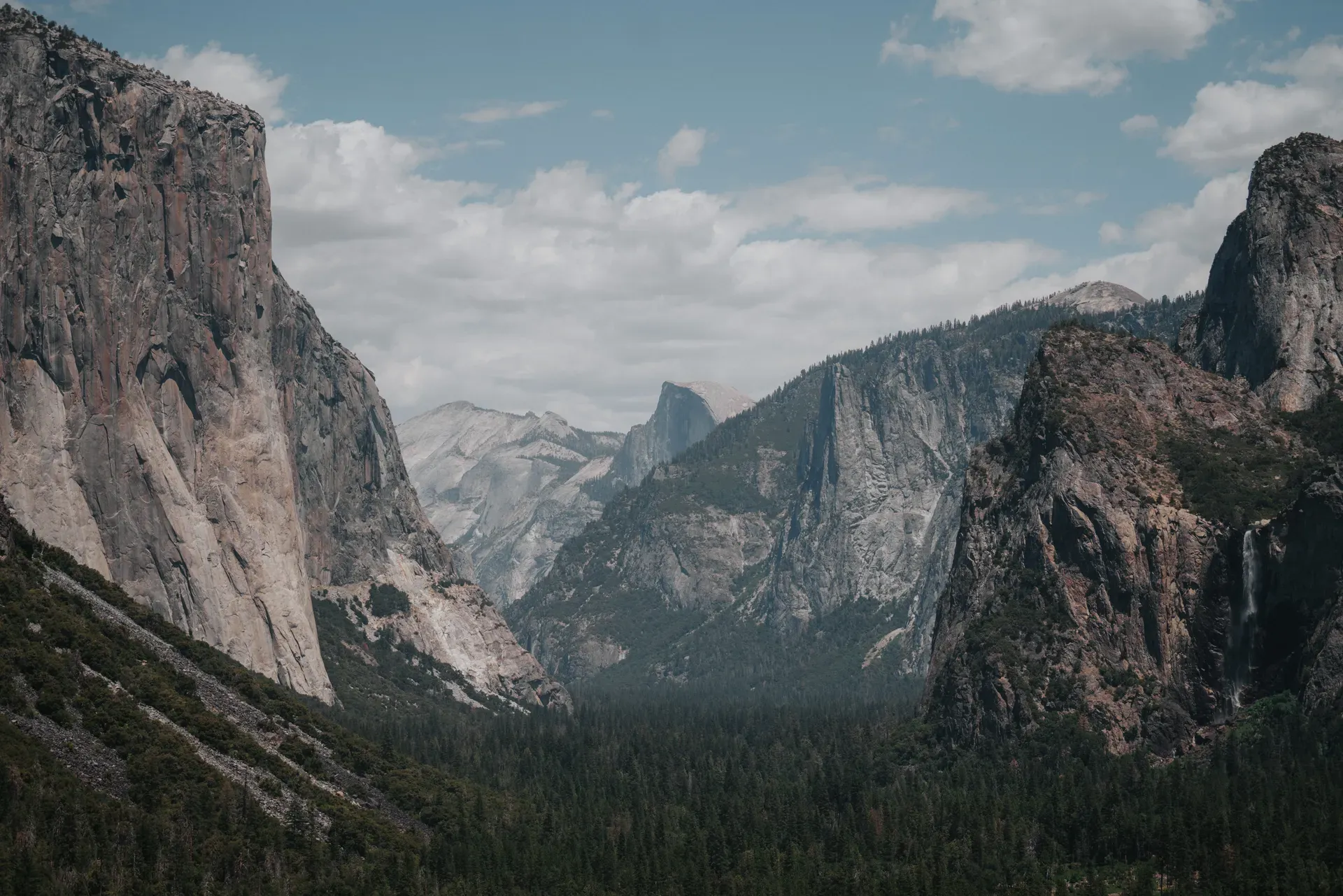
Yosemite National Park protects 747,956 acres of granite cliffs, ancient giant sequoias, and alpine wilderness along the Sierra Nevada. Visitors can watch rock climbers scale the 3,000-foot face of El Capitan or stand at the base of North America's tallest waterfall as it plunges 2,425 feet.
Find Guided ToursYosemite National Park is a protected natural area covering 747,956 acres along the central western slopes of California's Sierra Nevada mountain range. The park's elevation ranges from near sea level on its western edge to over 13,000 feet along the crest of the Sierra Nevada. Famous for its dramatic granite cliffs, clear streams, and giant sequoia groves, the landscape draws 4.2 million annual visitors. Key landmarks include Yosemite Valley, Half Dome, El Capitan, and Yosemite Falls, which plunges 2,425 feet. Despite its popularity, more than 94 percent of the park remains designated roadless wilderness, accessible via 750 miles of trails.
The physical foundation of Yosemite began forming 215 million years ago. The subduction of the Farallon Plate created granitic rock formations deep underground. Over millions of years, geologic uplift and erosion exposed these rocks. Later, massive glaciation carved the region's sharp V-shaped canyons into the broad U-shaped valleys visible today.
Long before federal protection, the region was home to the Ahwahneechee people for thousands of years. The modern conservation movement took root here in 1864 when President Abraham Lincoln signed the Yosemite Grant. This act protected Yosemite Valley and the Mariposa Grove as a public trust, laying the groundwork for the entire national park system.
Following lobbying efforts by John Muir and Robert Underwood Johnson to protect surrounding meadows from sheep grazing, Congress established Yosemite as America's third national park on October 1, 1890. The initial legislation set aside over 1,500 square miles of land. In 1906, the state-controlled valley and grove merged into federal jurisdiction. Today, Yosemite holds international recognition as a 1984 UNESCO World Heritage Site, celebrated for its pioneering role in park preservation and milestones like employing the first female ranger in 1917.
Discover the full history and cultural significance on our About page.
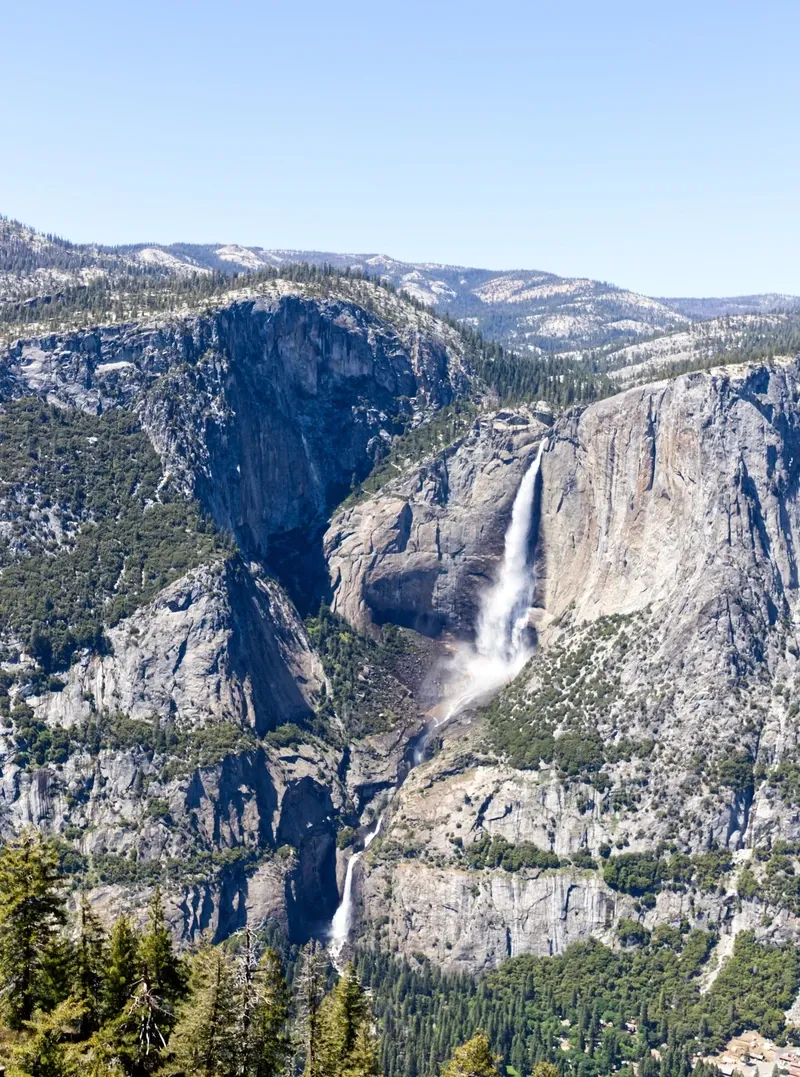
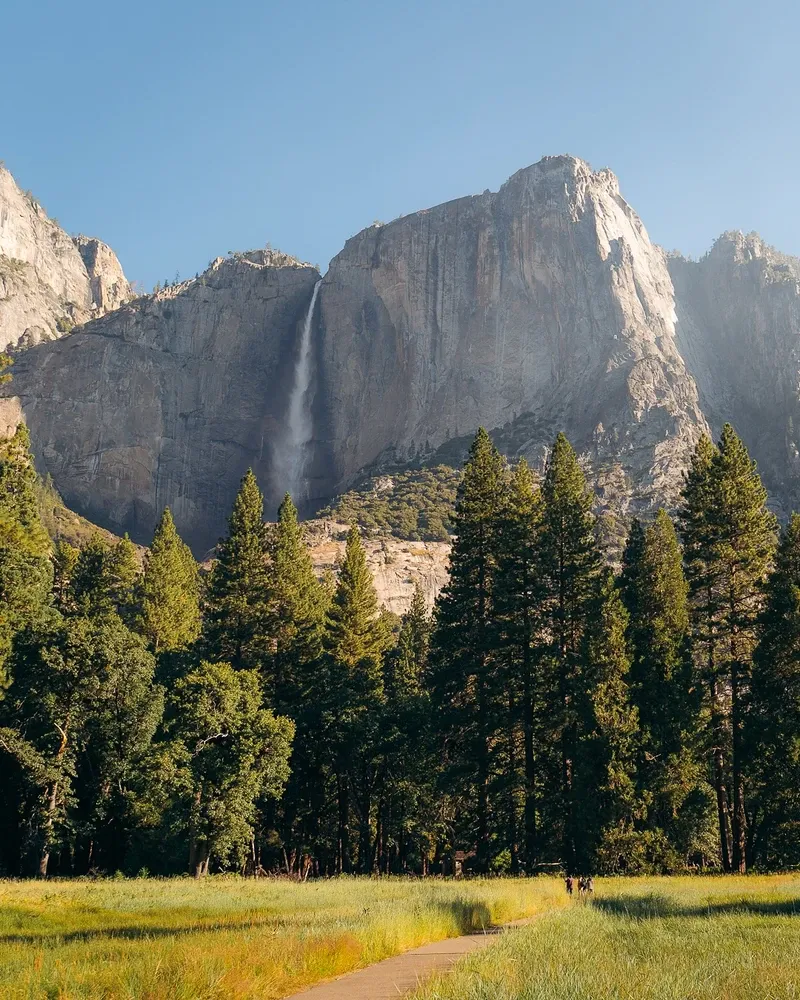
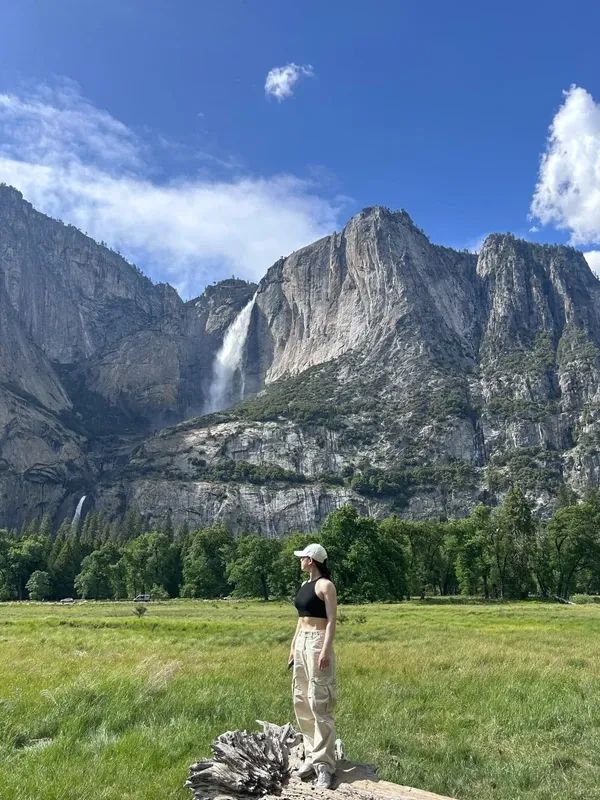
Stand at the base of Yosemite Falls and feel the misty spray as water plunges 2,425 feet across three distinct drops. The paved Lower Yosemite Fall Trail provides an accessible vantage point to watch this massive cascade, which reaches its peak volume during the late spring snowmelt.
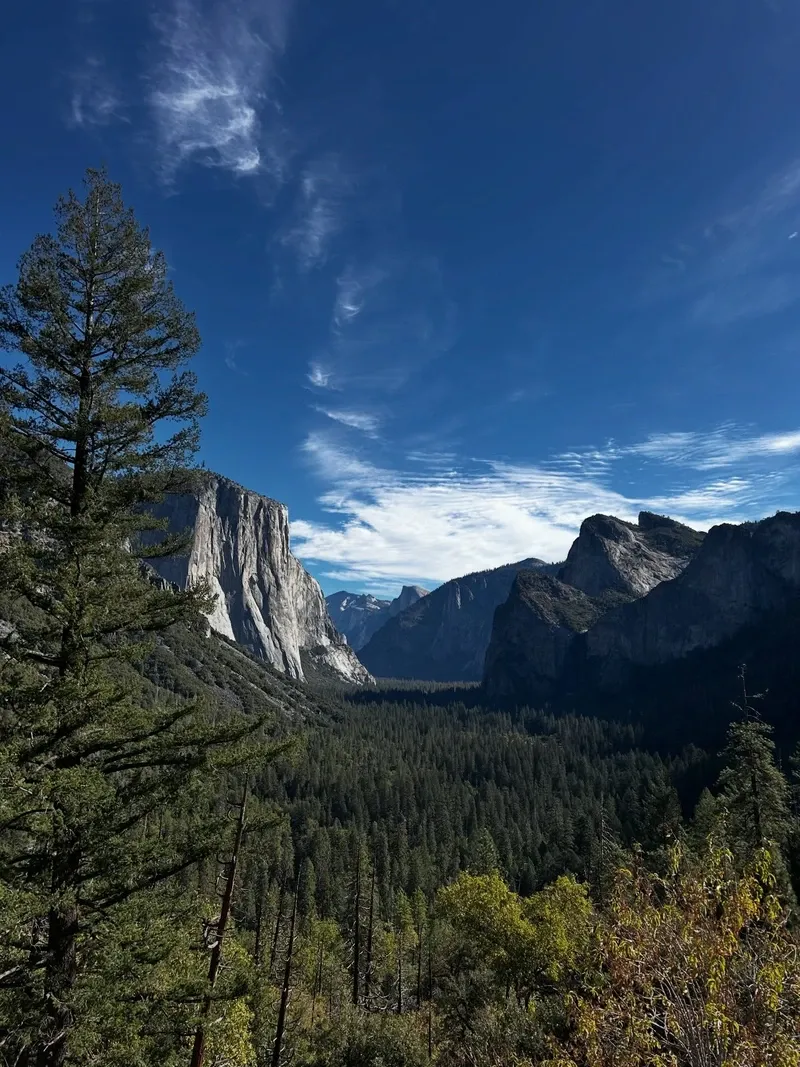
Relax in El Capitan Meadow and look up at the largest granite monolith in the United States. From this open vantage point, you can spot rock climbers slowly making their way up the sheer, 3,000-foot vertical face. It provides a striking perspective on the park's massive scale.
Hike the quiet trails of Mariposa Grove to stand beneath the world's largest trees. This protected forest area allows you to examine massive, ancient giant sequoias up close. Look for famous individual landmarks like the Grizzly Giant and the Clothespin Tree while taking in the fresh air.
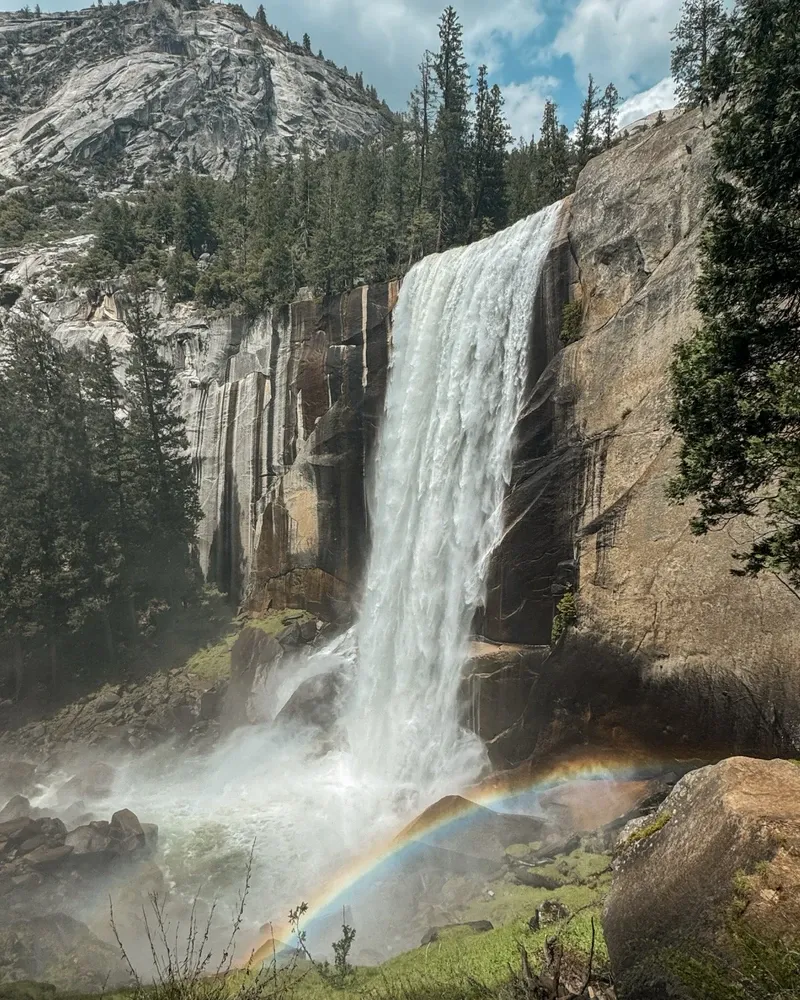
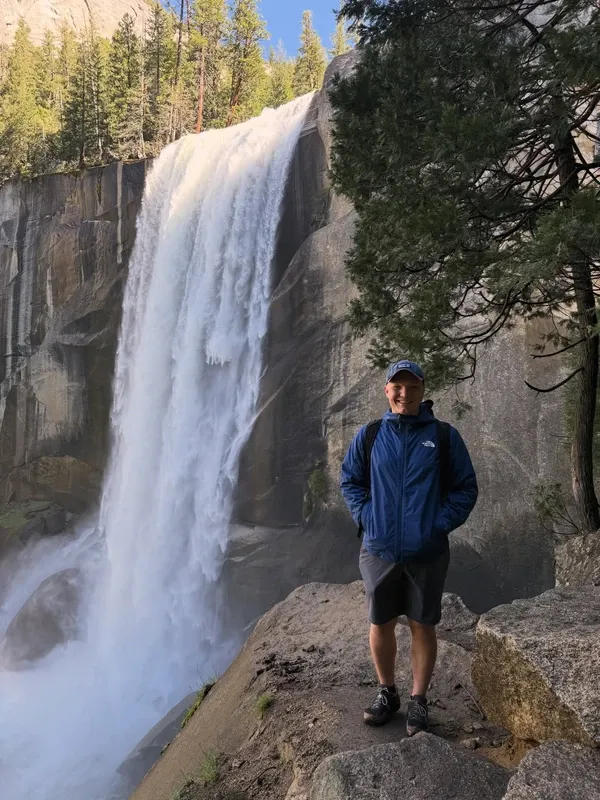
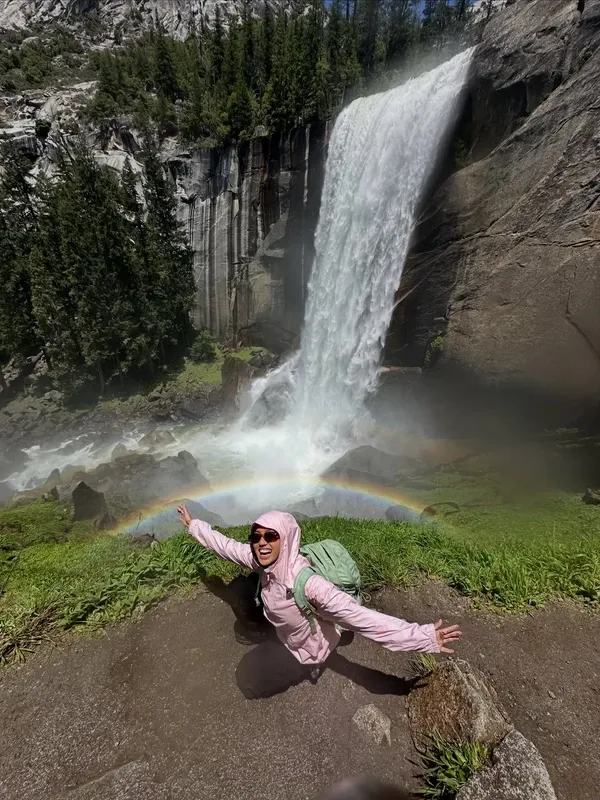
Follow the Mist Trail to see the raw force of the Merced River crashing over Vernal and Nevada Falls. You will get close enough to the thundering water to feel the heavy spray. Sturdy footwear and rain gear are essential for navigating this wet and highly rewarding route.
Hand-picked tours with free cancellation and verified reviews
 Free Cancellation 14h
  Free Cancellation 15h
  Free Cancellation 14h
  Free Cancellation 15h
  Free Cancellation 9h
  48h
48h  Free Cancellation 14h
  Free Cancellation 8h
 Late spring and early summer, specifically May and June, represent the optimal time to visit Yosemite National Park. During this period, pleasant weather and high-country snowmelt create the most voluminous waterfalls.
March brings freezing temperatures and closed roads, representing some of the park's most challenging conditions. However, May offers pleasant weather and peak snowmelt, creating impressive flow at the 2,425-foot Yosemite Falls.
June provides optimal access to the park's high country and 94 percent roadless wilderness via Tioga Road. By August, heavy valley crowds arrive and major waterfalls often dry up completely.
September visitors face completely dry waterfalls and heavy valley traffic. By November, the park enters its most challenging period, bringing ice, snow, and the closure of high-elevation scenic routes.
These strictly challenging months bring severe freezing temperatures, ice, and snow. Access to major highlights is heavily limited by road closures, and rangers frequently require vehicles to carry tire chains.
Yosemite National Park operates 24 hours a day, 365 days a year. The Hetch Hetchy Entrance Station is the only exception, remaining open strictly during daylight hours from approximate sunrise to sunset. Winter weather forces seasonal road closures across the park. Routes such as Tioga Road and Glacier Point Road close completely due to snow from around November through May or June.
| Category | Price |
|---|---|
| Standard private vehicle (valid for 7 consecutive days) | $35 |
| Motorcycle (valid for 7 consecutive days) | $30 |
| Individual on foot or bicycle (US residents 16 and older) | $20 |
| Non-US resident additional surcharge | $100 per person |
Entrance stations strictly accept credit or debit cards; cash is not accepted. Vehicle reservations are not required to enter the park in 2026. US citizens and residents receive free entry on specific 2026 dates: Presidents Day (Feb 16), Memorial Day (May 25), Flag Day (June 14), Independence Day weekend (July 3-5), the NPS 110th Birthday (Aug 25), and Constitution Day (Sept 17).
For complete schedules and ticket prices, visit our Hours & Fees page.
Visitors can reach Yosemite National Park by personal vehicle or through regional public transit networks. Direct driving routes exist from major cities like San Francisco, while combination train and bus services provide car-free access into the valley.
Driving from San Francisco to Yosemite Valley spans 195 miles and serves as a direct route into the park. Visitors should leave early in the morning to avoid heavy traffic congestion at the entrances. Arriving early also helps secure a limited parking spot. The drive typically takes four hours to complete. Drivers must pay the $35.00 standard entrance fee upon arrival.
The Yosemite Area Regional Transportation System (YARTS) operates year-round public transit directly into Yosemite Valley. Buses depart from Merced and travel 80 miles along State Highway 140. This transit option connects with Amtrak and Greyhound services for broader regional access. The two-and-a-half-hour ride provides a convenient alternative to driving. Furthermore, the $44.00 round-trip ticket price includes the mandatory park entrance fee.
Travelers seeking a car-free route from San Francisco can utilize a combined train and bus service. The transit sequence begins with an Amtrak bus to the Emeryville station, followed by a train ride to Merced. From Merced, passengers transfer to the regional YARTS bus for direct delivery into the park. This 210-mile route takes six and a half hours and costs starting around $30.00 each way.
For detailed transport options and routes, visit our Directions page.
Heavy traffic congestion peaks between April and October when the park receives the bulk of its 4.2 million annual visitors. Plan to arrive at the entrance gates before 9 am or after 5 pm. This strategy helps you bypass long delays and secure a parking spot in Yosemite Valley.
Cellular service remains extremely limited and spotty throughout the park's 1,200 square miles. You must download offline maps via Google Maps or the official NPS app before passing through the entrance gates. Relying on live navigation will leave you stranded without directions on the park's remote mountain roads.
Winter conditions from November through March bring ice, snow, and freezing temperatures to the Sierra Nevada. Park rangers strictly require all vehicles to carry tire chains during these months. Mountain roads become hazardous quickly, and failing to have chains can severely limit your access to the park.
Black bears are highly attracted to food odors and frequently break into vehicles. Leaving food in your car overnight is illegal and often results in severe vehicle damage. You must store all food and scented items in the provided metal bear lockers before going to sleep.
The rocks surrounding Yosemite's rivers and creeks are exceptionally slick, even when they appear completely dry. You should maintain a safe distance from the water's edge to avoid falling in. Swift and dangerous currents can easily overpower hikers who lose their footing near the park's waterways.
Yosemite provides free Valleywide shuttle buses equipped with wheelchair lifts and tie-down systems. These buses minimize walking distances between major sights and accessible paths like the Lower Yosemite Fall Trail. Visitors with limited mobility can also rent manual wheelchairs or electric scooters directly at the Yosemite Valley Lodge.
These adjacent parks protect the world's largest trees, including the famous General Sherman Tree. Visitors explore deep canyons and the Giant Forest, making this a logical extension of a Sierra Nevada trip.
This gold rush town retains California's oldest buildings and historic streets. You can visit the California State Mining and Mineral Museum to view the 13.8-pound Fricot Nugget or attempt free gold panning.
Spanning over 1.3 million acres, this forest provides extensive terrain for rock climbing, mountain biking, and hiking. The area features mature giant sequoias at Nelder Grove and hosts the monarch butterfly migration.
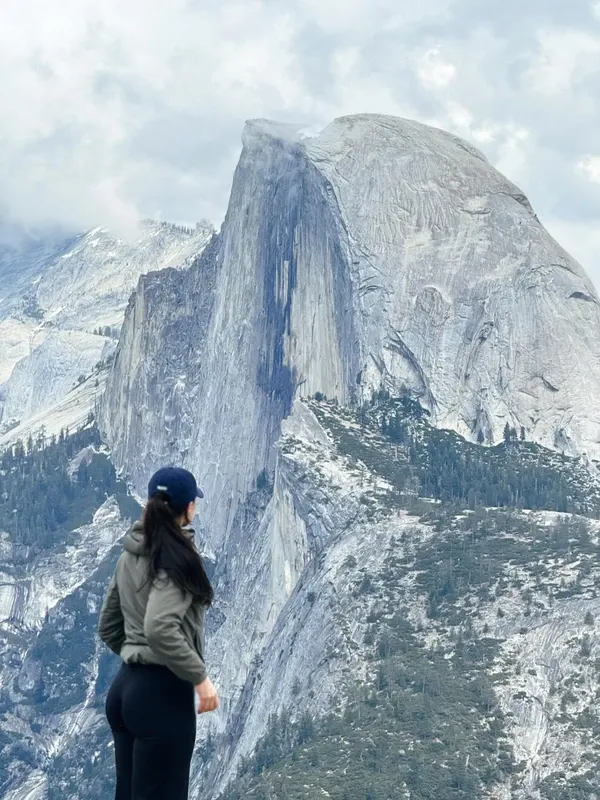
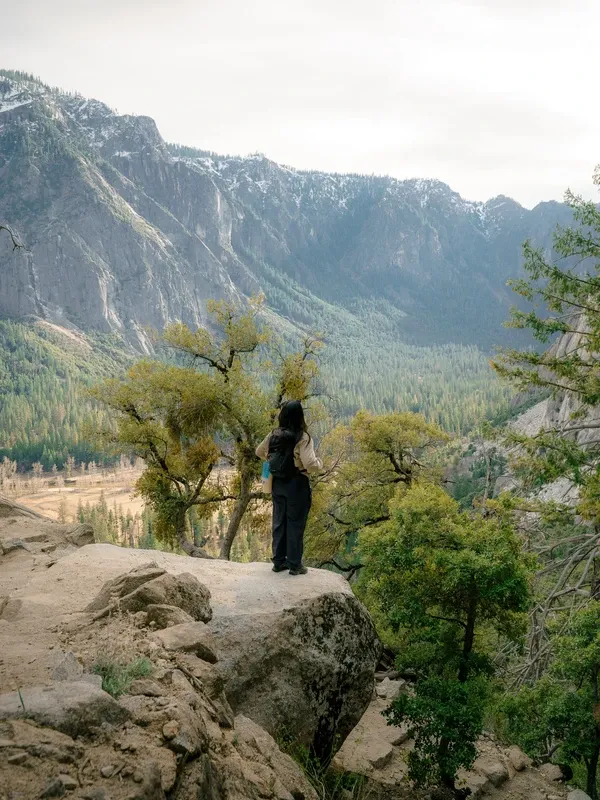
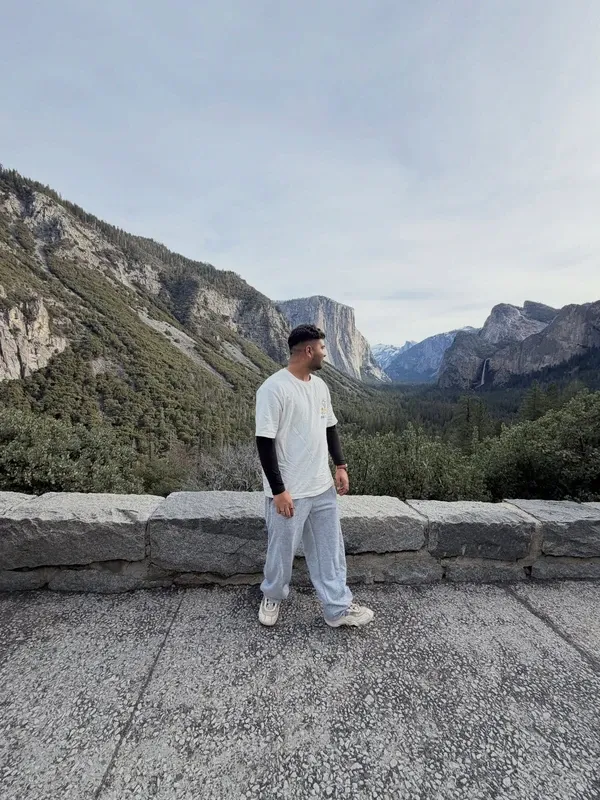
Read what travelers share about their experience visiting Yosemite — from practical tips to personal highlights.
You do not need a vehicle reservation to enter the park in 2026. However, you must pay the entrance fee at the gate using a credit or debit card, as cash is not accepted.
The standard entrance fee is $35 per private vehicle, $30 per motorcycle, and $20 per person arriving on foot or bicycle. Non-US residents are subject to an additional $100 per person fee, and all passes are valid for seven consecutive days.
Yosemite National Park is open 24 hours a day, 365 days a year. The only exception is the Hetch Hetchy Entrance Station, which operates strictly during daylight hours from sunrise to sunset.
Late spring and early summer, specifically May and June, provide the optimal conditions for a visit. High-country snowmelt makes the park's waterfalls, including the 2,425-foot Yosemite Falls, most voluminous and impressive during this period.
You can take an Amtrak bus from San Francisco to Emeryville, ride the train to Merced, and transfer directly to the regional YARTS bus. This 210-mile transit route takes about six and a half hours each way and costs around $30 per direction.
No, bear spray is strictly prohibited and illegal to carry anywhere within the park. To protect wildlife and prevent severe vehicle damage, visitors must store all food and scented items in locked, bear-proof metal lockers at night.
The park features several paved, accessible paths, including the trail to Bridalveil Fall and the eastern portion of the Lower Yosemite Fall Trail. The free Valleywide shuttle buses are equipped with wheelchair lifts, and visitors can rent manual wheelchairs or electric scooters at the Yosemite Valley Lodge.
If you drive into the park between November and March, you are strictly required to carry tire chains in your vehicle. Freezing temperatures create hazardous icy conditions, and high-elevation routes like Tioga Road and Glacier Point Road close completely.
Browse verified tours with free cancellation and instant confirmation.
Find Tours